



















Every player who has placed a bet faces one fundamental question: is gambling luck or skill? This debate spans centuries, from ancient dice games to modern digital platforms. The truth exists somewhere between pure randomness and calculated strategy. In this guide, we'll dissect the mathematics and psychology that separate wishful thinking from informed decision-making at Shazam Casino.
Recognizing where different games fall on the luck-skill continuum represents the first step toward smarter play. Some games offer zero opportunity for strategic intervention, while others reward knowledge with measurably better outcomes. The mathematical expectation varies dramatically depending on which category your preferred game occupies. Understanding this spectrum helps analytical players choose their battles wisely.
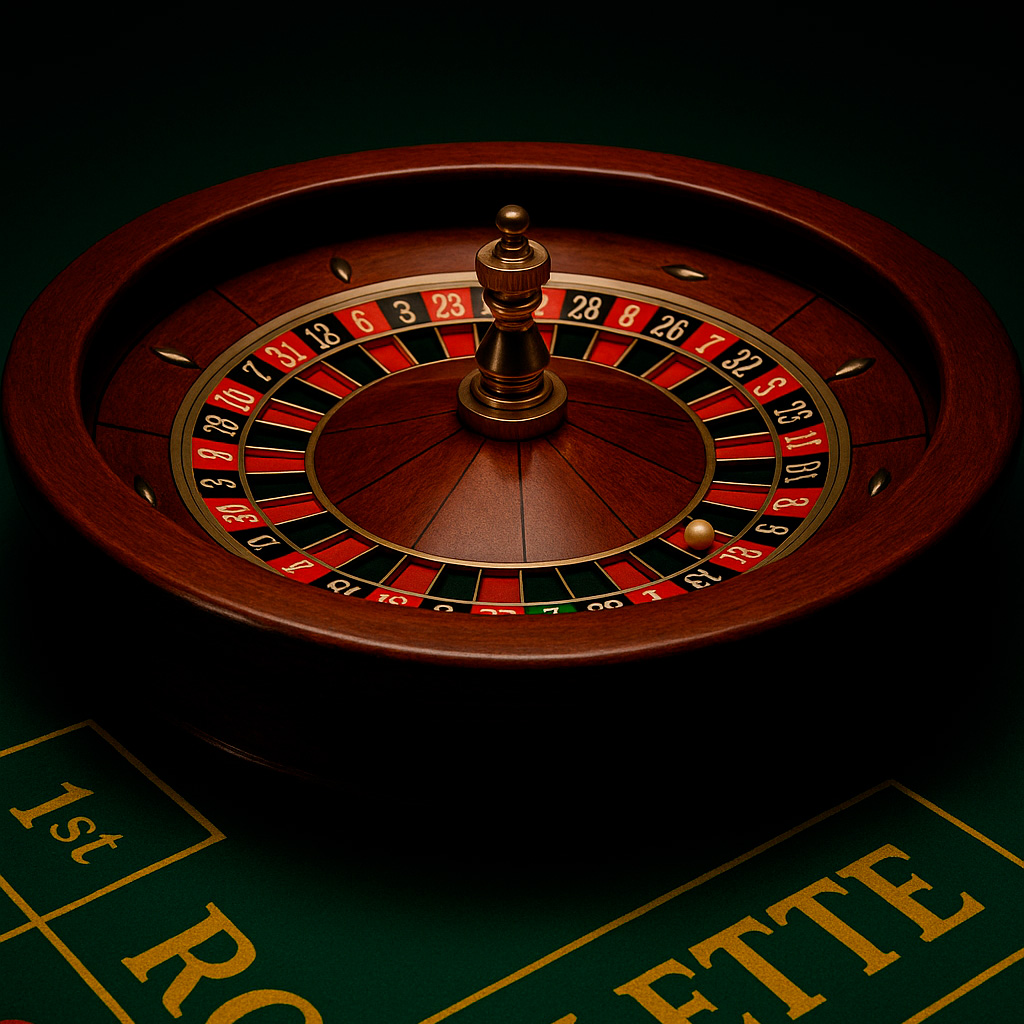
Slots, roulette, and keno rely entirely on a random number generator that produces outcomes no human can predict. The house edge remains fixed and applies equally to beginners and veterans alike. American roulette carries a 5.26% house advantage, meaning the mathematical is gambling luck or skill expectation shows consistent losses regardless of betting patterns.
|
Game |
House Edge |
Player Control |
Skill Factor |
|
🎰 Slots |
2-15% |
❌ None |
Pure luck |
|
🎡 Roulette |
2.7-5.26% |
❌ None |
Pure luck |
|
🎱 Keno |
25-40% |
❌ None |
Pure luck |
The gambling terms for luck dominate conversations about these games: "hot streak," "due for a win," "lucky machine." These phrases reveal our desire to find patterns in randomness. Accepting that some games cannot be beaten through skill brings freedom—enjoy them as entertainment without pressure.
💡 While you cannot change odds in pure luck games, you can manage exposure through strict session limits and choosing games with higher return to player percentages.
Blackjack and video poker contain random elements, but educated players can dramatically reduce the house advantage through proper play. A player using perfect basic strategy faces roughly 0.5% house edge—compared to 2% or more for those playing by intuition. Video poker variants like Jacks or Better approach 99.5% RTP when played optimally.
The key insight involves probability theory: while individual hands remain unpredictable, aggregate results over thousands of hands approach the mathematical edge. Strategic play doesn't guarantee winning sessions, but it guarantees better long-term results than uninformed play. Learning basic strategy transforms gambling skill or luck into a measurable advantage.
🏆 Poker against real opponents shifts the dynamic fundamentally. You compete against other humans with their own knowledge gaps and emotional vulnerabilities, not against a mathematical house edge. This is where professional gambling becomes theoretically possible through superior decision-making.
Poker involves incomplete is gambling luck or skill information, psychological warfare, and constant adaptation. The variance can be brutal short-term, but over tens of thousands of hands, skill separates winners from losers. Professional poker players think in terms of months and years, not individual nights, because short-term results reveal almost nothing about true ability.
Human psychology creates fascinating obstacles for gamblers seeking objectivity. Our brains evolved to find patterns—even where none exist. This served ancestors tracking animal migrations, but creates dangerous cognitive biases at gaming tables.
After watching ten consecutive red results on roulette, something screams that black is "due." Each spin remains an independent event with identical probability. The roulette wheel has no memory and feels no compulsion to correct imbalances. This fallacy has cost players countless bankrolls as they double down on "inevitable" corrections.
💡When thinking "it's due," recognize this as cognitive bias, not strategy. The only thing "due" after ten reds is another random spin with unchanged probabilities.
Every experienced player encounters both: colleagues with "lucky shirts" and those promoting "guaranteed" betting progressions. Neither approach changes underlying mathematics, but understanding why reveals truths about is gambling luck or skill in practice.
|
Approach |
Feels Like Control |
Changes Odds |
Risk Level |
|
🧿 Lucky charm |
✅ Yes |
❌ No |
🟢 Low |
|
📈 Betting system |
✅ Yes |
❌ No |
🔴 High |
|
📚 Basic strategy |
✅ Yes |
✅ Yes |
🟢 Low |
|
🎯 Skill development |
✅ Yes |
✅ Yes |
🟢 Low |
Legitimate gaming platforms must ensure genuine randomness for fairness while maintaining an edge to operate profitably. Understanding this balance demystifies the experience and helps players make informed choices.
Every digital game outcome flows from sophisticated random number generator technology. These algorithms produce sequences so complex they're considered cryptographically secure. Modern RNG systems undergo rigorous third-party testing to verify outcomes fall within expected statistical distributions. The gambling luck you experience is literally generated by mathematics designed to be impossible to anticipate.
Smart game selection influences expected results over time through two critical metrics. Return to Player percentage indicates how much wagered money returns to players over millions of spins—96% RTP means 4% house edge. Volatility describes result distribution: low volatility pays small amounts frequently, high volatility pays larger amounts rarely. Neither is inherently better; they suit different playing styles and bankroll sizes for sports betting enthusiasts and casino players alike.
|
Metric |
What It Tells You |
Ideal Range |
⚠️ Warning Signs |
|
📊 RTP |
Long-term return |
95-99% |
Below 92% |
|
📈 Volatility |
Win frequency/size |
Match bankroll |
Mismatch with budget |
|
🏠 House edge |
Casino advantage |
Below 5% |
Above 10% |
|
🎲 Hit frequency |
How often you win |
Preference |
N/A |
After examining the spectrum from pure luck to skill-dominant games, we arrive at the central question. The honest answer requires nuance: skills manifest exclusively over extended timeframes through proper bankroll management.
Is gambling skill or luck a perfect blackjack player might lose ten sessions consecutively through bad card distribution. This doesn't mean strategy failed—variance operates independently of skill, creating noise only extended play filters out. For meaningful statistical significance, expect needing 10,000+ blackjack hands, 50,000+ video poker hands, or 100,000+ poker hands.
The most valuable skill isn't card counting—it's knowing when to stop. This meta-skill supersedes all game-specific knowledge because it protects finances regardless of short-term results, helping players avoid cognitive biases that lead to poor decisions.